

Ireland vs Western Australia: What the Two Markets Can Learn From Each Other
The construction industry is constantly evolving, driven by economic conditions, government investment, sustainability goals, labour availability, and advances in technology. While Ireland and Western Australia (WA) operate in different markets, they share many common challenges, including skilled labour shortages, rising construction costs, and increasing client expectations for faster project delivery.
As a rising Irish construction company, Crowe understands that successful projects require more than quality workmanship. They demand strategic planning, regulatory compliance, effective collaboration, and the ability to adapt to changing market conditions. By comparing construction trends in Ireland and Western Australia, valuable insights emerge into what works well and how the industry can continue to improve.
Ireland's Construction Industry
Ireland's construction sector continues to experience steady growth, supported by significant investment in residential housing, healthcare, education, commercial developments, and public infrastructure. Government initiatives to address housing shortages have increased demand for experienced contractors capable of delivering projects efficiently while maintaining quality and compliance.
At the same time, Ireland faces several challenges:
Rising material costs
Labour shortages across specialist trades
Planning approval delays
Increasing sustainability requirements
Higher client expectations for cost certainty
As projects become more complex, contractors are expected to provide comprehensive project management alongside construction expertise.
Western Australia's Construction Market
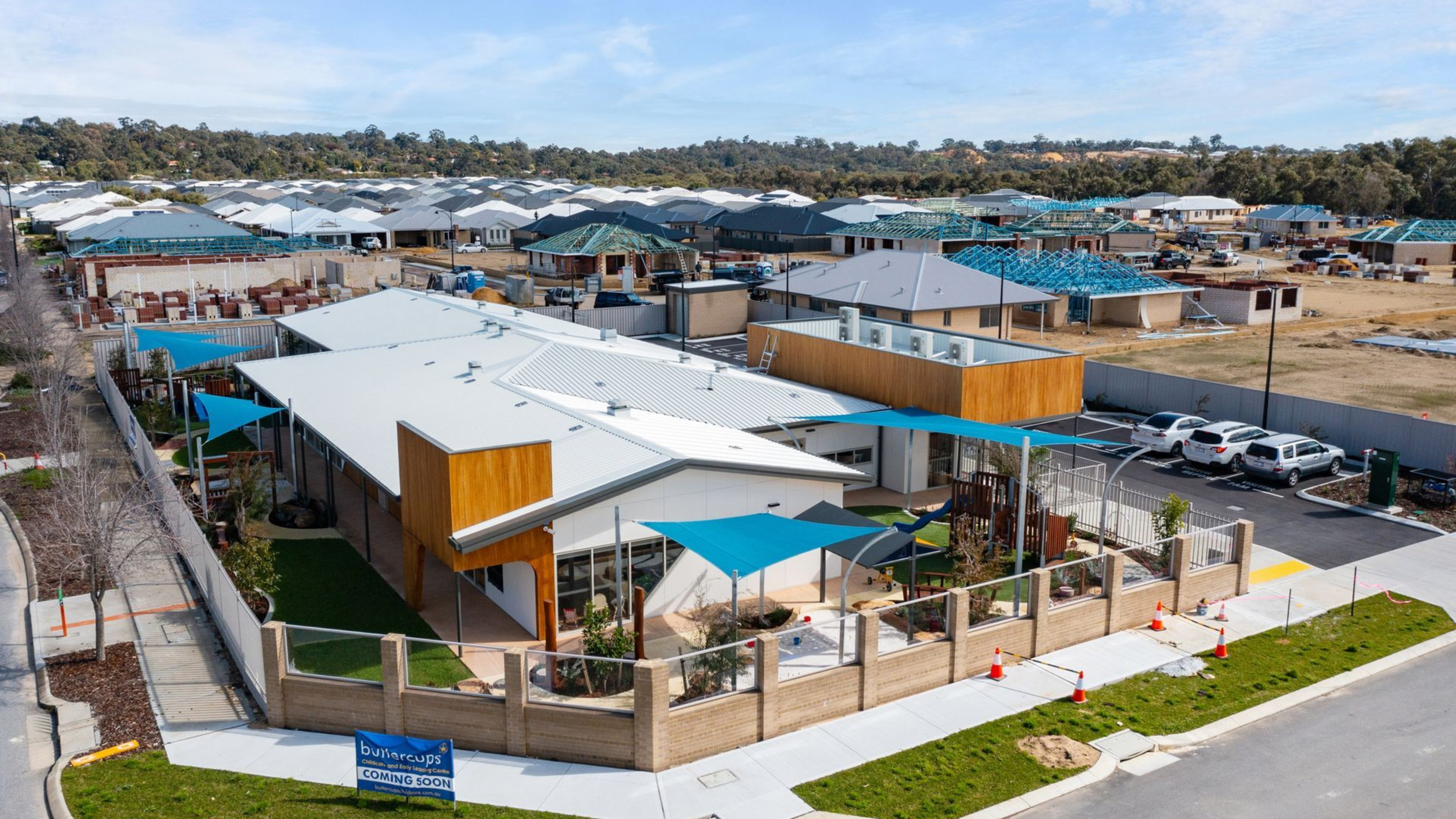
Western Australia shares many similarities with Ireland but operates within a different economic landscape. WA's construction industry is driven by commercial developments, childcare centres, education facilities, healthcare projects, mining infrastructure, and industrial construction.
Several characteristics define the WA market:
Strong demand for design-and-construct procurement
Emphasis on programme certainty
Strict workplace safety requirements
Increased adoption of digital construction technologies
Greater use of prefabrication and modular construction methods
Builders are increasingly expected to deliver projects within tight budgets while maintaining flexibility throughout construction.
Common Construction Challenges
Although separated by thousands of kilometres, Ireland and Western Australia face remarkably similar issues.
Skilled Labour Shortages
Finding experienced tradespeople remains one of the biggest challenges in both markets. Demand often exceeds supply, creating pressure on project schedules and increasing labour costs.
How to solve it:
Develop long-term relationships with trusted subcontractors.
Invest in apprenticeships and workforce development.
Improve project scheduling to maximise labour efficiency.
Rising Material Costs
Global supply chain disruptions continue to affect pricing for timber, steel, concrete, and manufactured products.
How to solve it:
Procure materials early.
Build strong supplier partnerships.
Value engineer solutions without compromising quality.
Monitor market trends to minimise procurement risks.
Programme Delays
Planning approvals, weather conditions, labour availability, and late design changes frequently affect project timelines.
How to solve it:
Engage contractors early during design.
Improve communication between clients, consultants, and builders.
Use realistic construction programmes with contingency planning.
Sustainability Requirements
Both Ireland and Australia are placing greater emphasis on sustainable construction, energy efficiency, and reducing environmental impact.
Clients increasingly expect buildings that perform well over their lifecycle while complying with evolving environmental regulations.
How to solve it:
Specify sustainable materials where appropriate.
Reduce construction waste through better planning.
Incorporate energy-efficient building systems from the design stage.
Adopt environmentally responsible construction practices.
What Western Australia Does Well
Western Australia's construction industry has become recognised for several best practices that continue to improve project delivery.
Early Contractor Involvement
Many WA projects involve builders during the design phase, allowing contractors to contribute practical construction knowledge before work begins. This approach reduces redesign, improves cost certainty, and minimises construction risks.
Integrated Project Delivery
Close collaboration between architects, engineers, builders, and specialist trades creates smoother project delivery and fewer surprises during construction.
Strong Safety Culture
Australia maintains some of the world's highest workplace health and safety standards. Continuous training, site inspections, and proactive risk management have significantly improved safety performance across the industry.
What Ireland Does Well
Ireland has developed strengths that continue to support high-quality project outcomes.
Craftsmanship and Quality
Irish construction maintains a strong reputation for skilled workmanship and attention to detail across commercial, residential, education, and heritage projects.
Collaborative Relationships
Long-standing partnerships between contractors, consultants, and clients often contribute to smoother project delivery and better communication.
Growing Digital Adoption
Building Information Modelling (BIM), digital project management platforms, and cloud-based collaboration tools are becoming increasingly common, improving coordination across project teams.
The Future of Construction
The construction industry is moving towards smarter, more collaborative ways of working. Several trends are expected to shape both Ireland and Western Australia over the coming years:
Increased use of BIM and digital project management
Greater adoption of prefabrication and modular construction
More sustainable building materials and construction methods
Data-driven project reporting and performance monitoring
Earlier contractor involvement during project planning
Greater focus on whole-of-life asset performance
Companies that embrace innovation while maintaining high standards of quality and safety will be best positioned for long-term success.
How Crowe Delivers Better Outcomes
At Crowe, we understand that successful construction is about more than completing a building. It is about delivering certainty, quality, and value from concept through to completion.
Our approach combines:
Quality Execution through experienced project teams and proven construction practices.
End-to-End Capability, managing projects from planning through delivery.
Local Knowledge of Ireland's construction market, regulations, and procurement processes.
Regulatory and Safety Compliance to ensure every project meets the highest industry standards.
Collaborative Partnerships that keep clients, consultants, and subcontractors aligned throughout the project lifecycle.
As Ireland's construction industry continues to evolve, Crowe remains committed to delivering commercial, education, healthcare, residential, and public infrastructure projects that are built for long-term performance.
Whether it's learning from international best practice or applying decades of local experience, the future of construction lies in collaboration, innovation, and delivering projects with confidence. At Crowe, that's exactly what we build.
